

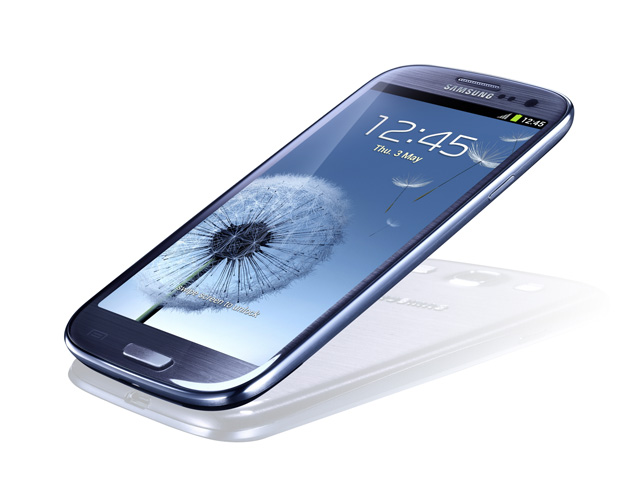
news Korean electronics giant Samsung this morning confirmed its highly anticipated Galaxy S III handset would launch today through all of Australia’s major mobile carriers, but without a version supporting Telstra’s next-generation 4G mobile network, which is the fastest and least congested mobile network in Australia.
Along with HTC’s One line, Nokia’s Lumia 900 phone and the next version of Apple’s iPhone, the Galaxy S III is viewed as one of the most hotly anticipated phones of this year in Australia. The phone is Samsung’s successor to the Galaxy S II model which continues to be one of the most popular smartphones sold in Australia.
However, although Telstra currently stocks a 4G version of the Galaxy S II, no version of the Galaxy S III was confirmed by Samsung this morning, as the company revealed the local availability of the handset. Telstra has a well-established 4G network covering the CBDs of capital cities throughout Australia, as well as a number of other areas, and Optus is also developing its 4G network in Newcastle, with a view to rolling out the infrastructure around Australia over the next several years. Both are using the 1800MHz spectrum to do so.
The current 4G handsets available through Telstra — notably the HTC Velocity 4G and the Samsung Galaxy S II 4G — are largely seen as re-workings of existing handset offerings in Australia rather than examples of the next-generation of handsets available internationally. In the past several weeks Telstra has confirmed several new 4G handsets, but one of them runs the relatively unpopular Windows Phone 7 operating system, meaning those looking for a high-end smartphone on the telco’s 4G network will be in practice limited to the HTC One XL for now.
Gizmodo has reported from the launch event this morning that Samsung said it was “in discussions” with Telstra regarding a 4G version, which it will “follow with in the future”.
Despite this limitation, there was plenty of good news for would-be Galaxy S III buyers from Samsung’s Australian launch this morning. The handset went on sale locally this morning from 10:30AM from every major mobile carrier in Australia. “The Samsung GALAXY S III is available now at $899 RRP outright for the 16GB device from all operators and is also available on plans,” Samsung said in a statement this morning.
Telstra is currently stocking the ‘Marble White’ version of the smartphone, with customers being able to buy the handset online or from a selection of its major capital city CBD stores. The handset will be available more broadly across Telstra’s network from tomorrow.
The device is available on Telstra’s $79 monthly plan with a $3 handset repayment cost, or on its $59 plan with a $13 monthly handset repayment cost. Business customers can pick up the device for $17 per month on the $59 Business Mobile Maximiser plan from Telstra. All of these deals assume customers are using Telstra’s so-called ‘MRO’ bonus. Vodafone is offering the phone on a range of plans, from $29 to $99 a month, with the phone coming for free on plans worth $79 or above, and costing between $20 and $5 per month for handset repayment on its other plans. The company has offered customers double the usual data quota inclusions if they sign up for its plans with the handset.
Ross Parker, General Manager of Devices and Pricing, Vodafone said: “Our customers have an almost insatiable appetite for mobile internet and entertainment, and there’s a very simple rule we use to size our data inclusions: the faster and more intuitive the phone, the more our customers will use it, so we’re doubling our usual data inclusions specifically for the Samsung Galaxy S III for the first year on select 24 month mobile plans on Vodafone.”
Optus is selling the handset on plans ranging from $50 to $99 per month, with handset repayment being zero on its $80 and $99 monthly plans, and costing an additional $5 and $12 on its $60 and $50 monthly plans respectively. The company is offering customers an introductory offer of two months’ worth of free access fees for the Galaxy S III launch. And even Optus subsidiary Virgin Mobile has gotten into the act, with the company offering the smartphone on a range of plans from $29 to $89 per month, with handset repayment costs of between zero (on its $89 plan) and $20 for its $29 plan.
Like HTC’s One line-up, the Galaxy S III runs the latest version of Google’s Android platform (Ice Cream Sandwich). Its screen resolution is very sharp at 1280×720 in a 4.8″ size, and is based on Super AMOLED technology. The phone comes comes with an eight megapixel rear camera and a 1.9 megapixel camera on its front, it has an accelerometer, a gyrometer, GPS, NFC, Bluetooth 4.0, a digital compass, a microSD slot and it runs a 1.4GHz quad-core CPU, as well as a specialised graphics chip.
The phone’s battery is removable and rated at 2,100mAh battery, and it can be bought with 16GB, 32GB or 64Gb of on-board storage space. A micro-USB port provides wired connectivity, and the touchscreen is actually covered with version 2 of Corning’s popular Gorilla Glass, for extra, well, toughness. In short, if you can name it, the Galaxy S III has it, as you’d expect from a brand new, top-end Android phone in mid-2012.
opinion/analysis
To my mind the lack of a 4G version of the Galaxy S III in Australia so far makes the phone much less desirable than it would have been otherwise.
If you compare the Galaxy S III to the HTC One XL, there are a great deal of similarities between the models. Similar screen sizes, similar processing power, very similar operating systems, similar features in general. But the HTC One XL has a huge additional advantage over the Galaxy S III — it runs on Telstra’s 4G mobile network, as well as being able to roam onto the telco’s normal 3G network when necessary.
Telstra’s 4G network just hit 1,000 base stations around Australia. When you consider that most people buy mobile phones on a two year plan and the speed of Telstra’s 4G rollout, what this means is that in a year or so, a huge slice of Australia will be covered by its 4G towers — and new Galaxy S III buyers will only be halfway through their contract.
To my mind, the Galaxy SIII is a fantastic phone — one of the best Android smartphone available in Australia right now, and one of the best phones of any ilk. But when you consider the fact that it’s lacking the 4G speeds which the HTC One XL has — and which I’m sure the next iPhone will also have, when it launches in Australia later this year (if Apple keeps to its schedule) it’s allure looks a little faded. In six months, when many, many Australians have 4G available on their smartphones, will you still be looking at your 3G Galaxy S III and thinking it’s the top of the market? Not really. My advice is to wait for a 4G version of the phone — or the HTC One XL, if you want a top-end Android smartphone right now that can do 4G.
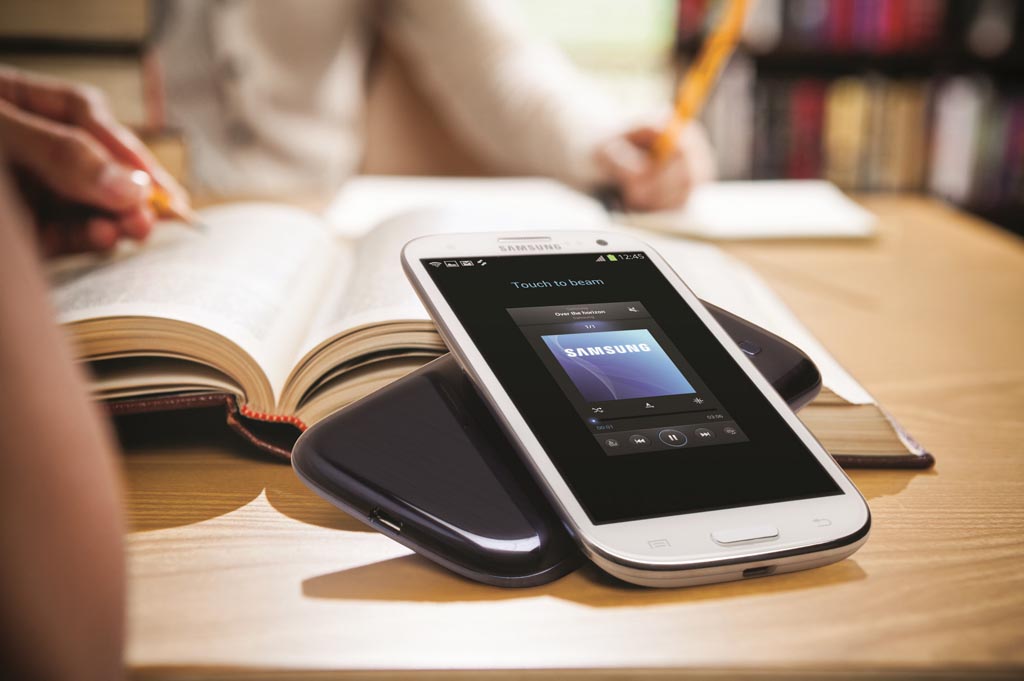
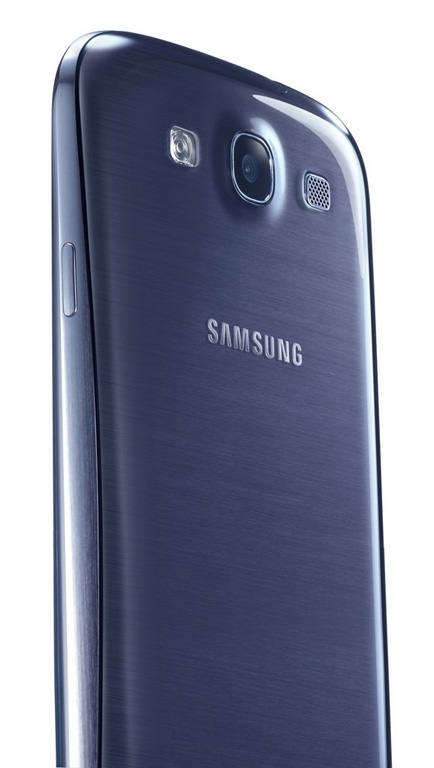
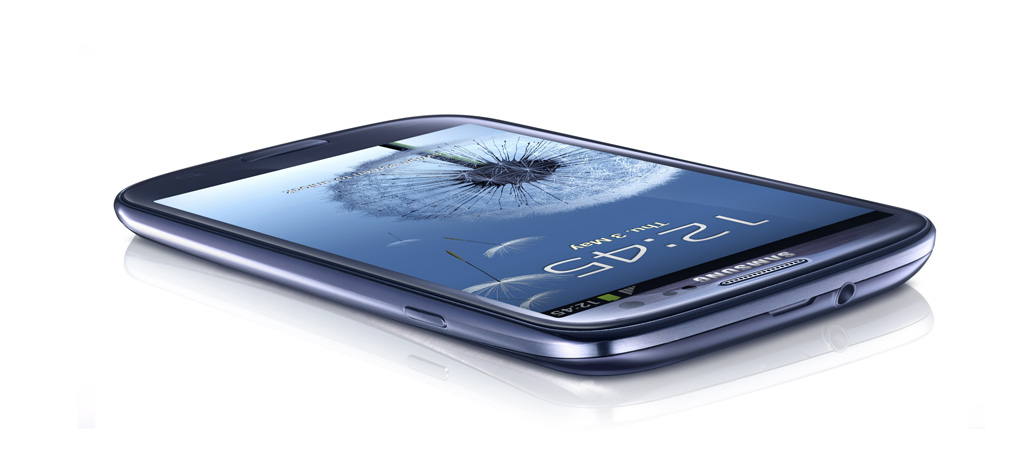
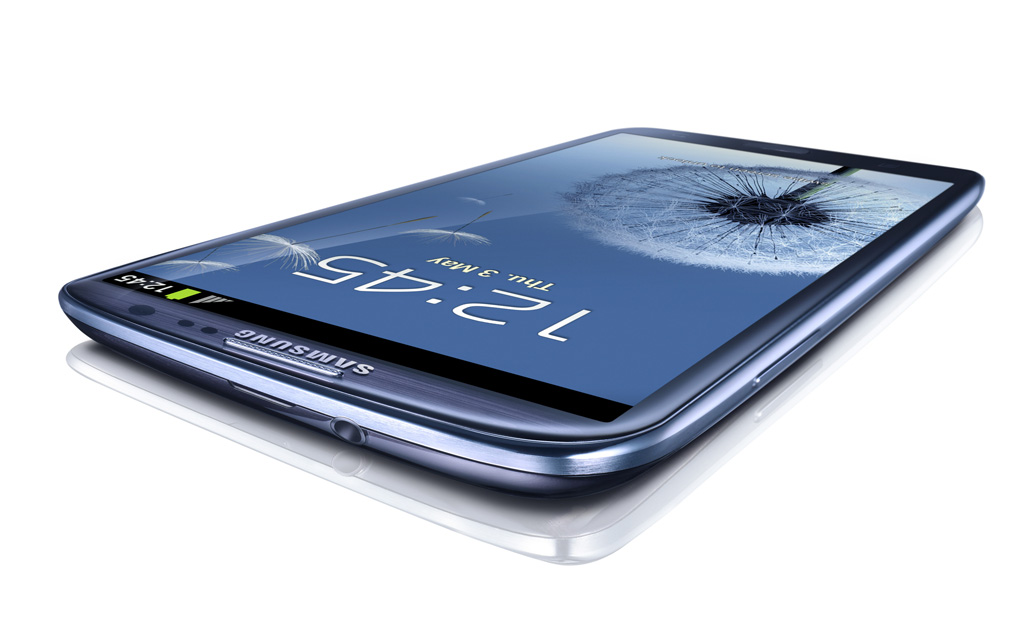

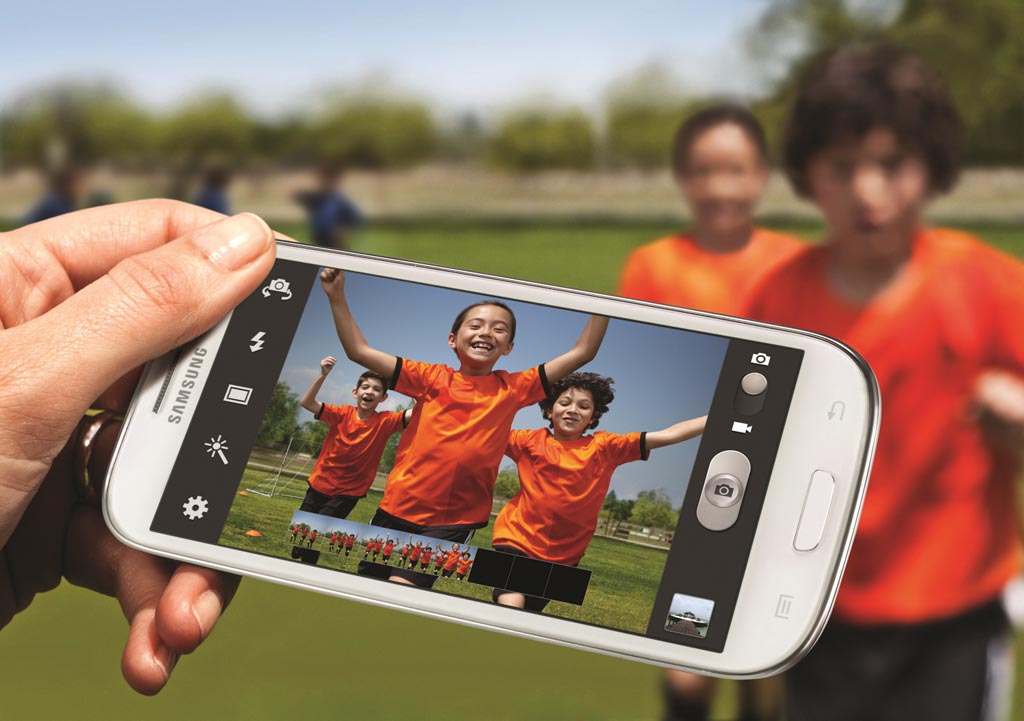
Image credit: Samsung
Did they end up resolving the battery drain issues of 4G/LTE chipsets?
From recent reviews I’ve read, the problem isn’t too bad.
The problem for the initial chipsets was because of the 4g radio being a separate chip.
The OneXL is integrated into the same chip the other radios are in. Less chips equal less power. (all of these chips build a lot of this functionality into the SoC that includes the CPU and other components I think).
At least that’s how I understand it. (would love detail though, anyone?)
someone should drain the battery of the fanboi club here at delmimiter!
should be an ad for samsung, turns out being an ad for Telstra… how let’s talk cash for comments.
Credibility dead. RSS Feed removed. Bye delimiter.
It’s a great phone but IMO you’d be mad to commit to 2 years on a 3G phone at this point. I reckon in 2014 3G will feel like 2G feels today.
“meaning those looking for a high-end smartphone on the telco’s 4G network will be in practice limited to the HTC One XL for now”
I run a Lumia 800 and it’s winning converts in my office, WP7.5 is an exceptional mobile OS .. and I was given a rave review about the HTC Titan II (the 4G Windows Phone you alluded to) by the manager at my local CBD Telstra store …
I have the Titan 4G in the office at the moment for review, which should be done early next week. It’s a very solid phone, but I also have the One XL, which is definitely a better model. The hardware is better, and obviously Android is still ahead of Windows Phone — although Microsoft is catching up.
obviously?? i would like to debate that…. :)
whilst sales of windows phone are not great, the OS itself stands up to both ios and android very well…
Stands up according to who? WP7 fans? Cause it’s now been on the market for over a year, and the market doesn’t think it stands up.
I don’t actually think the issue is as much about lack of apps as some make it sound. MS has considerable leeway with developers (utilising the power of Windows/Visual Studio) and has done a lot to make sure that the great majority of important apps are available on the platform. And yet… no one is still buying WP7 phones. Android was selling much more when it had far fewer apps than WP7 does right now.
A great OS doesn’t only have to look good and feel lag-free, it also has to have great engineering principles behind it. I would argue that some of the decisions MS made for WP7, namely tight coupling with a-now-ancient chipset, and inability of OEMs to innovate either in software or hardware are limitations that are biting Microsoft hard right now.
Looks to me, there are two way to play the smartphone game. You either have tight control of the product (hardware and software) and accept the responsibility to innovate yourself (the Apple model) or you give up control over certain areas and allow OEMs to pour R&D into the platform and innovate (the Google model). Microsoft chose a middle path that doesn’t allow for either situation.
+1
i somewhat disagree that ‘engineering principles’ dictate how good an OS is, mainly because the average user doesn’t give a toss about those principles, they care about how it operates day-to-day. and the windows phones, according to people who actually use them day to day, and reviewers from plenty of different forums and websites, perform as well as ANY OS.
and i said in my response to renai, i am fully aware of wp7’s slow sales, and as i have previously stated, that is partly to do with poor marketing, which is something that apple excels at.
here’s something for you to consider:
if apple released their first iphone and the OS looked exactly like the wp7 OS does, would people still buy it as they do now? my answer is an emphatic YES. half the people who buy iphones only buy them because they are made by apple. that is one of the main reasons that apple’s sales are so good. it’s all in the marketing. if apple released the zune, instead of the ipod, people would still buy it. of this i am sure.
try using a windows phone for a month or more, full-time, and then come back to me as to whether you still think it is an inferior OS. i am willing to bet that you won’t.
I am afraid you have missed my point.
Sure, consumers don’t care about engineering principles per se, but those engineering principles translate to deficiencies that consumers do care about. Let me give you a couple of examples. Microsoft, in its haste to throw the baby (Windows Mobile) out and revive its platform, decided on a very strict criteria for all Windows Phone devices, for example all Windows Phone devices have to use the first generation single core Snapdragon S1 processor, and every single one of them has to have a WVGA (800×480) resolution.
These decisions might have looked okay in 2010, but look absolutely anaemic today.
Sure, consumers don’t know these technical details, but consumers do understand dual-core and quad-core. Those catchwords sell. Everyone, from Intel to Apple to Nvidia has been educating consumers for years (somewhat erroneously) that more cores are better. Now Microsoft comes to the party with ancient single-core devices that are priced similar to iPhone and high-end Android phones, and people wonder why they don’t sell? Sure, WP7 might do really well on that measly single core processor, but you don’t win by being slow.
Or look at the screen resolution. In its attempt to not create Android’s ‘fragmentation’ issues, Microsoft settled on a single resolution that was alright in 2010, when high-end phones were 3.7″ in size, but looks absolutely ridiculous today on these giant screens. Meanwhile, the competition has created buzzwords like ‘Retina Display” and Super AMOLED HD, and consumers care about these buzzwords. Remember when iPhone 4 was released, how much talk there was about Retina Display? Look at the new iPad and see how everyone raves about its screen? Have you seen the HD displays in the HTC One X and Samsung Galaxy SIII? These things sell.
You say that WP7’s trouble is marketing. Sure, I agree, it is marketing. But marketing isn’t some form of voodoo, it is actually based on reality. And WP7’s marketing problems stem directly from those engineering decisions that the company took when designing the system. Microsoft put the platform in a straight jacket in which no OEM could differentiate or push the envelop in anyway. And they wonder why it doesn’t sell?!
For the record, I have used WP7 phones. The last one I used was the Rolls Royce of WP7 phones, the Nokia Lumia 900. And I can tell you, it falls short of Android and iPhone. Its multi-tasking is broken, and the moment I pushed the phone, it slowed down. Then I tried reading an ebook and browsing the web on it, and realised how ridiculous that 800×480 resolution looks on a 4.3″ screen. Turns out the market agrees: there aren’t many people who enjoy looking at pixelated fonts on their screens.
Well said Aryan.
The other hardware problem you didn’t mention is Microsoft’s insistence of no micro-SD expansion.
Microsoft’s rigid hardware policy is killing Nokia in particular.
Windows Phone desperately needs dual and quad core CPU support, higher resolution screens, and SD card expansion. If I was a Nokia exec I would be pushing MS hard on those points, although maybe Microsoft will wait until Nokia is completely broke and then take them over (will cost them less).
a very well-written post [genuine praise] and gives everyone who likes wp7 phones something to consider.
i must not use my phone as others intend, because after having a htc mozart, lumia 800, iphone 4 and galaxy sII, (and using all for a significant period) i still feel like the wp7 performs the best.
i still don’t the attraction of higher resolution screens. if you care that much about your screen for watching video and browsing, why not use a tablet? wp7 looks just fine on the older resolution, something that should be applauded, not ridiculed.
and i think the lack is micro-sd is a bit over-stated, but that is just my opinion, based on my usage patterns.
just because phones have higher specs, does not make them a better phone to use.
i’ve said my piece.. :)
Maybe they’ll do what HTC did and release a 4G version in a couple of months.
Anyone know if the Exynos processor compatible with 4G, or will they switch to the Snapdragon like in the One XL?
They can bolt on a LTE chip to Exynos but the result will be a power-hungry monster similar to first generation LTE phones.
The only way right now to get LTE with acceptable battery life is to use Qualcomm’s Snapdragon S4, as it is the only SoC right now built with the new (smaller) 28nm fabrication process. Everything else (A5X, Exynos, Tegra 3, etc) is built using older/bigger fab process (which results in higher battery usage). This situation will obviously change in the next 6-12 months as other chip designers move onto 28nm fab as well.
The Verge is reporting a Snapdragon S4 + LTE version is being released in Canada next month:
http://www.theverge.com/2012/5/30/3053903/galaxy-s-iii-canada-2gb-ram-release-announcement
Based on that I think it’s fair to say Telstra will get something similar, the only question is when. I don’t think Telstra’s version will have 2GB RAM though. Who knows why the Canadian version has that much; seems almost absurd for a phone?
Interesting. I hope we get a Galaxy S III with LTE in Australia at some stage.
I love how you include the Nokia lumia 900 on your hotly anticipated range then slam windows phone ;)
The Lumia 900 is hotly anticipated, but in general Windows Phone 7 as a platform is kinda not doing that well ;)
Can’t believe you are suggesting the HTC One XL has similar features and CPU power!!!!! This is simply WRONG!
– The HTC only has a DUAL CORE Snapdragon CPU with significantly less grunt than the SGS3.
– The HTC does not support add-in microSD cards (big fail as far as I’m concerned).
– The HTC has quite poor battery performance from it’s small 1800mA battery.
…and the HTC does not support the future 700MHz LTE band.
You are simply exaggerating, Graham — those are a small handful of features in the overall featureset of the two models. Additionally, I don’t believe the CPU issue will be noticeable for the overwhelming majority of customers. I have a HTC One XL in my office for testing and the CPU is extremely fast — I don’t have any problems loading any apps. Have you actually tested the two models yourself?
Sorry, perhaps I was a little over the top, but those small handful of features are major features, and are very important to many, dare I say most, people.
– In benchmarks I have read, the quad core Exynos4 CPU is close to DOUBLE the performance of the dual core snapdragon S4 – that is hardly unimportant.
– As I said earlier, I personally would not purchase a mobile without microSD expansion (and I do use it), and many other, mostly IT professional, people I know are the same, so that small feature alone could make a massive difference to what people purchase.
– The battery of the HTC One XL from all reports, is woefully inadequate with the extra drain of LTE, and although the SGS3’s is only 17% bigger, that (plus no extra LTE drain) makes the difference to lasting the whole day.
So is WP7 behind because it is technically inferior, because sales are slow, poor marketing, or because it’s become the third option in a saturated market and third options never fare well in a false dichotomy?
Comments are closed.